
The Water Element in Traditional Chinese Medicine: Finding Balance in Times of Turmoil

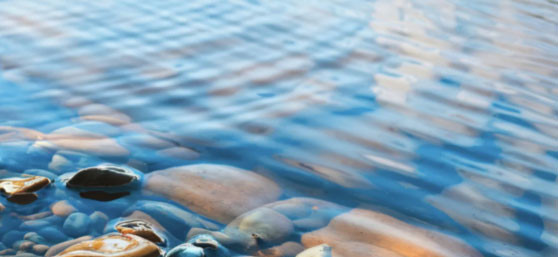
The floods that affected communities throughout Vermont left a deep imprint on our close-knit communities.
As we witness the incredible power of water, we are reminded of its paradoxical nature. Water can nourish, restore, and sustain life, but it can also become an overwhelming and destructive force. In this contrast, we can see some of the ancient wisdom of Traditional Chinese Medicine (TCM) playing out around us today.
The Five Elements in Traditional Chinese Medicine
In Traditional Chinese Medicine, the Five Elements—Wood, Fire, Earth, Metal, and Water—represent patterns and relationships found throughout the natural world and within our bodies.
Each element has its own characteristics, behaviors, and patterns of expression. Chinese medicine views the human body as a microcosm of the natural world, meaning many of the same patterns we observe in nature can also help us understand health, balance, and change within ourselves.
Water, as an elemental force, can evoke images of gentle movement, nourishment, stillness, and ease. When Water exists in balance with the other elements, it supports harmony within the system.
But just as we have witnessed in nature, water out of balance can become a powerful force.
What Does the Water Element Represent in Chinese Medicine?
In Traditional Chinese Medicine and Five Element theory, the Water element is associated with the Kidneys and Bladder. These organ systems work in a dynamic relationship and, from a Chinese medicine perspective, play important roles in fluid metabolism and other functions throughout the body.
When the Water element is balanced, these systems function harmoniously. When an imbalance develops, Chinese medicine practitioners may look for patterns that include changes in urination, feeling unusually cold, digestive concerns, reproductive health issues, or other symptoms.
Some of these connections may seem intuitive, while others may be surprising. We don't often think about digestion, reproductive health, emotions, and kidney and bladder function as interconnected. Yet this is at the heart of Traditional Chinese Medicine: looking beyond an isolated symptom to understand the relationships and patterns occurring throughout the whole person.
The Water Element and the Emotion of Fear
Traditional Chinese Medicine also recognizes a connection between our physical and emotional well-being.
The emotion associated with the Water element is fear. From a TCM perspective, periods of intense fear, shock, or emotional stress may affect the balance of the Water element, just as physical imbalances may influence how we feel emotionally.
This relationship reflects one of the fundamental principles of Chinese medicine: the mind and body are not separate systems. Our physical health, emotional experiences, environment, and daily lives are deeply interconnected.
Finding Balance Through the Wisdom of Water
Water can offer us a powerful reminder of adaptability and resilience. It moves around obstacles, changes shape according to its environment, and can be both remarkably gentle and incredibly strong.
At Latitude Acupuncture & Wellness in South Burlington, Vermont, we strive to create a space where the ancient wisdom of Traditional Chinese Medicine meets modern life, providing care, tools, and resources to support you on your individual wellness journey.
During this turbulent chapter for our Vermont communities, we encourage you to seek moments of calm and find inspiration in water's ability to adapt, purify, and restore.
May it also serve as a reminder of our own resilience—and of the possibility of finding our way back toward balance, even after periods of profound disruption.
Comments